The Development of Calligraphy
When you look round a bookshop today, and note the many thousands of new books available to buy every year, it does seem amazing that for hundreds of years all the books produced, in fact all the world’s knowledge of the time, was painstakingly written down by hand using ink and a pen which had first of all to be made and then recut quite frequently.
The books of the Old and New Testament of the Bible, Chaucer’s Canterbury Tales, the Anglo-Saxon poem Beowulf, the romances of King Arthur and Queen Guinevere and the knights of the Round Table, and all the Greek and Latin texts came down to us through the ages this way.
It was no doubt in Roman times when the letters used by the Phoenicians and then the Greeks reached the height of beauty and proportion. Those on Trajan’s Column opposite the Forum in Rome, Italy, are strikingly beautiful. But similarly exquisite letters can be seen on the remains of ancient Roman monuments throughout Europe, including the UK.
Letters cut into stone in Rome, Italy |
 |
 |
Cutting letters in stone, though, is painstakingly slow, and was not the way in which the Romans wrote their shopping lists or shared letters containing gossip with their friends. Using the same letter-forms as those on monuments, but adapting them to the task in hand, Romans used a metal stylus to scratch letters into wax tablets, or even wrote using a pen with ink on bark, as at Vindolanda, by Hadrian’s Wall, on the border between Scotland and England. Here, letters about the size of a postcard, record, amongst other things, an order for more beer from a soldier, a request from a soldier for clean socks and underpants, and an invitation to a birthday party.
This writing on bark, though, is very difficult to read, as the letters are not well-formed and seem to merge into one another.
To make important books, the letter-forms had to be grand and readable. Old and New Roman Cursive lettering was not grand and is not that easy to read, so harking back to the majesty of those letters in stone, a writing style developed which is called Uncial. These letters, made with a pen which has a straight-cut edge (broad-edge pen nib) are round and wide, taking up a great deal of space, and with decided thicks and thins to the letters, made by the shape of the pen nib. But the space taken up by this style was not a problem when the book was for the glory of God and for an important church.
 Uncials

|
Contemporary Uncial alphabet by Patricia Lovett
|
It was a lettering style which was slightly adapted by the early English. At the important monastery at Lindisfarne (now Holy island) off Northumbria in northern England, the abbot Eadfrith, ‘for the glory of God and St Cuthbert and all the saints’, created perhaps England’s greatest treasure – the Lindisfarne Gospels, now safely housed in the British Library in London. It truly was his work for God, opus dei, as his strong letter-forms of Half-Uncial hold their own against the intricate interlace patterns in delicate colour combinations. Many of the patterns contain convoluted birds and animals, including, on the opening page of St Luke – the incipit (the beginning) page – the monastery cat, with nine birds twisting and twirling in its tummy!

Half-Uncials
Another style of writing was used a little later in charters or for less important manuscripts such as letters, and this is called Insular Minuscule, which, in its earlier forms, looks pointed and spiky. It was this style of writing which was used, in the ninth century, to ‘gloss’ biblical texts such as the Lindisfarne Gospels, and also the Vespasian Psalter. In fact the Vespasian Psalter, a book of Psalms has the earliest extant gloss into the vernacular language. The style was also used as a book hand, particularly when it became more square in form.
 Insular Minuscule
Meanwhile, over on the continent, letter-forms were changing during the reign of the Emperor Charlemagne. He was a man in a hurry, and head-hunted an Englishman, Alcuin, from York, to revitalise the court school at Aachen. Charlemagne loved books, even though he could not write himself, according to his biographer. He often gave books as presents to his followers who had done well and he wanted a writing style which was easy to read and not too difficult to write; he also encouraged the use of a minuscule script. A minuscule script is not necessarily tiny (note it is minu- not mini-, that is minus [less than], not small!), but it does have similar characteristics to those we would recognise in our handwriting today. So the parts of the letter that go up, the ascenders, on letters b,d,f,h, etc extend beyond the body of the letters such as o, a, e, i, and the parts that go down, the descenders, on letters g, p, q also extend downwards beyond the body of the letters. Compare these letters with a majuscule style such as Roman Capitals, where the letters are contained between upper and lower horizontal lines.

Caroline Minuscule
Many great Bibles, using this Caroline Minuscule writing style, were produced at the scriptorium of the abbey of St Martin, in Tours, France, such as the Grandval-Moutiers Bible, and it was not long before the writing crossed the Channel to England. Here the forward slanting letter-forms were made more upright, the long ascenders and descenders shortened and the letters made to look more grand. They were used to particularly good effect in the Ramsey Psalter, such that this was the writing style identified by Edward Johnston, the father of modern calligraphy, in the first half of the twentieth century, as being a good place to start learning calligraphy. He called this style the Foundational Hand (it is also known as Round Hand, or English Caroline Minuscule).
 English Caroline Minuscule, Foundational Hand or Round Hand

|
Contemporary English Caroline Minuscule, Foundational Hand or Round Hand alphabet by Patricia Lovett
|
By the eleventh century, changes were taking place and these round, grand letter-forms were getting compressed to allow for more words on a line. Eadui Basan, scribe and artist, working at the time used this English Caroline Minuscule Compressed style to great effect in books like the Arundel Psalter and the Grimbald Gospels.
 English Caroline Minuscule Compressed
But this was on the way to a writing style which most people recognise. Passing through Proto-Gothic as a stage, full Gothic writing developed in the late twelfth- and thirteenth-centuries. This heavy and rigid style of Gothic Black Letter was the writing in many grand books such as the Sherborne Missal, the Metz Pontifical and the Bedford Hours. Most round parts of letters are written as straight strokes, and it is difficult to decipher the individual letters, certainly in words like minimum, unless clues are added, such as the dots over the letters i.
 Gothic Black Letter

|
Contemporary Gothic Black Letter alphabet by Patricia Lovett
|
Often these books contained gloriously coloured images with real pure gold. Underneath the gold was a cushion of gesso, which raised the shiny leaf from the surface and made it look as if it had been enamelled. The writing is so strong, though, that it complements the rich colours made from precious pigments such as lapis lazuli and cinnabar.
At this point there were also writing styles which were used for letters, records and charters, and alongside the rigid style of Gothic Black Letter ran Gothic Cursive or Secretary Hand, which could be elevated in elegance and precision of form to be used in books, in which case it was called Bâtarde.
 Bâtarde
The Humanists in Italy in Renaissance times rejected the rigidity and conformity of Gothic and were looking for letter-forms which related more to the human. Surrounded as they were by the inscriptions on the remains of monuments to the glories of Rome, they homed in on Roman Capitals for majuscules. However, they did not go as far back as Old and New Roman Cursive for the minuscule letter-forms, but settled on those of Charlemagne, thinking at first, probably, that these were in fact Roman.
Humanistic Minuscule
A delightfully light form of Caroline Minuscule was transformed into Humanistic Minuscule at this time, and later, a cursive form developed, which we know better as Italic.

Italic

|
Contemporary Italic alphabet by Patricia Lovett
|
This was the form used by engravers in copper, and they and writing masters of the time developed the Copperplate style of writing which uses a pointed nib. It was a style taught in schools to those who were destined to be clerks in the British Empire, and they took this writing style throughout the world in the nineteenth century.
William Morris, towards the end of that century, studied mediæval manuscripts and realised that the letter-forms in the Middle Ages were not made with a pointed pen, scratching out the outlines of letter-shapes and filling them in, but by a pen with a broad edge. His studies were taken forward by Edward Johnston, and we have the beginning of the revival of one of the most satisfying art forms today.
Of course, calligraphy and lettering did not stop with William Morris and Edward Johnston. Many people learn calligraphy as a creative craft to use on greetings cards, and for writing out poems and prose. A few develop their skills and artistic flair such that they are professional scribes and lettering artists. If you want to know more about how you can learn and improve calligraphy, visit the website of the Calligraphy and Lettering Arts Society
There is also a permanent collection of the best of contemporary calligraphy at the Fitzwilliam Museum in Cambridge. Look out for the exhibition which will be arranged in the future.
What do I need to begin calligraphy?
Of all the arts and crafts, calligraphy needs probably the most easily accessible tools and materials.
Paper First of all you need paper. You can start by using photocopying paper as it usually has a good surface for writing. You can also buy pads of Layout Paper in art shops, which is very thin paper. A sheet of Layout Paper can be laid over letters and they can be traced through to feel how they are written.
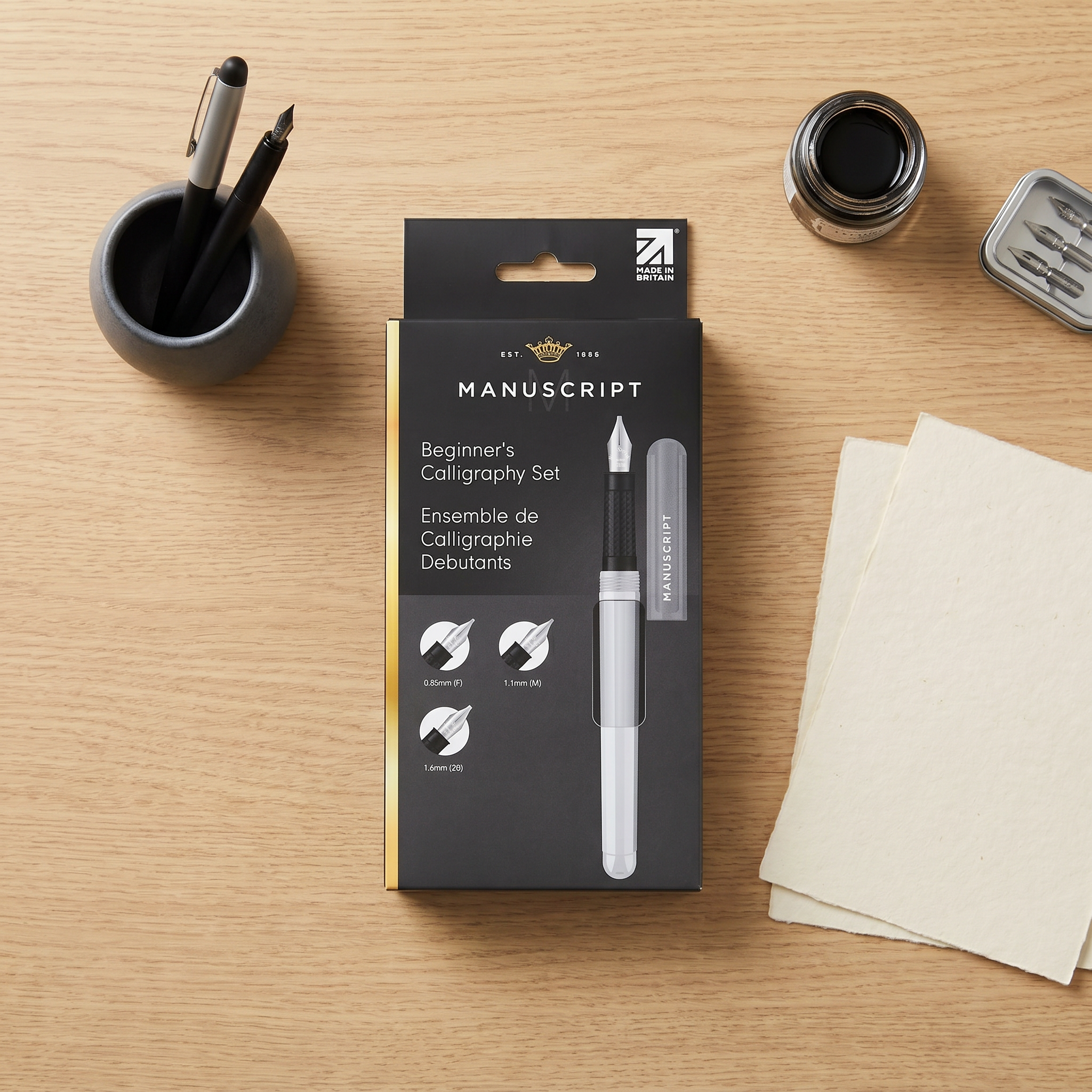
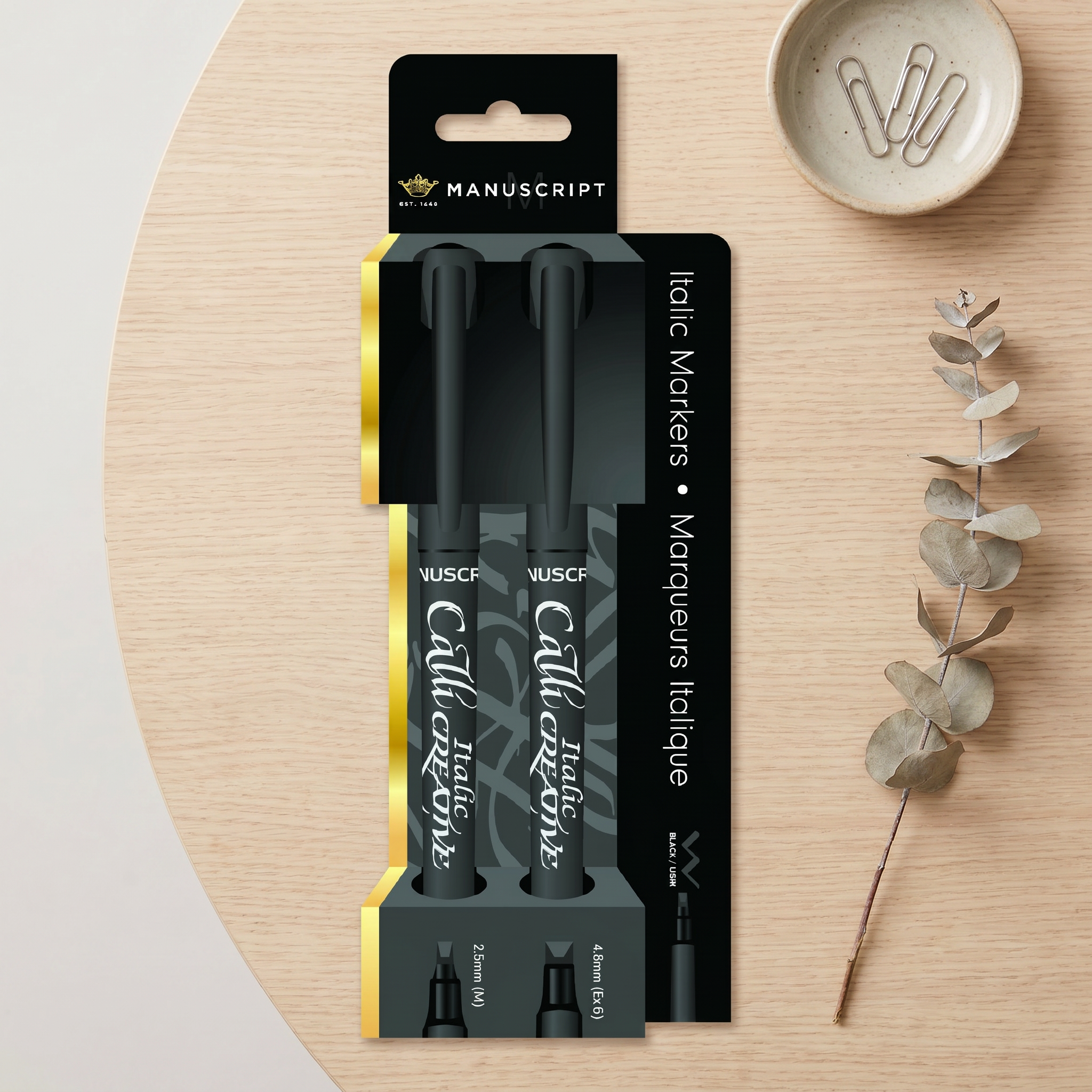
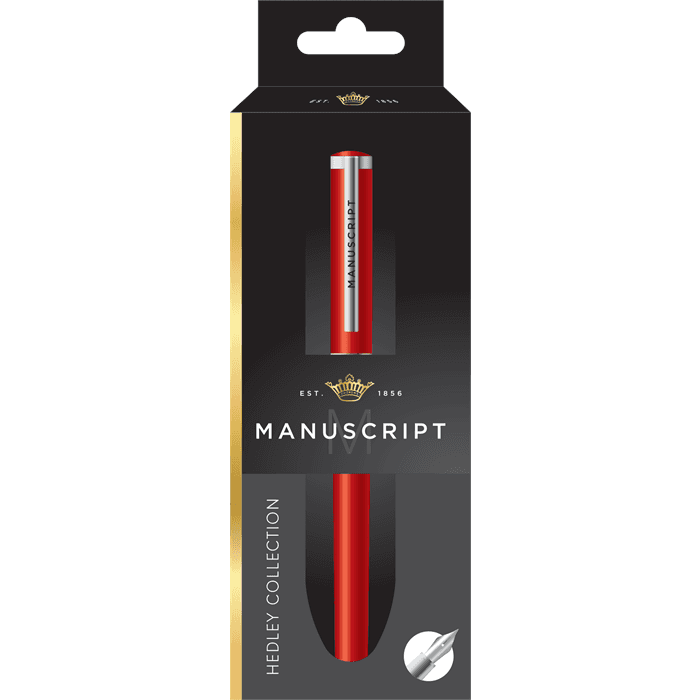
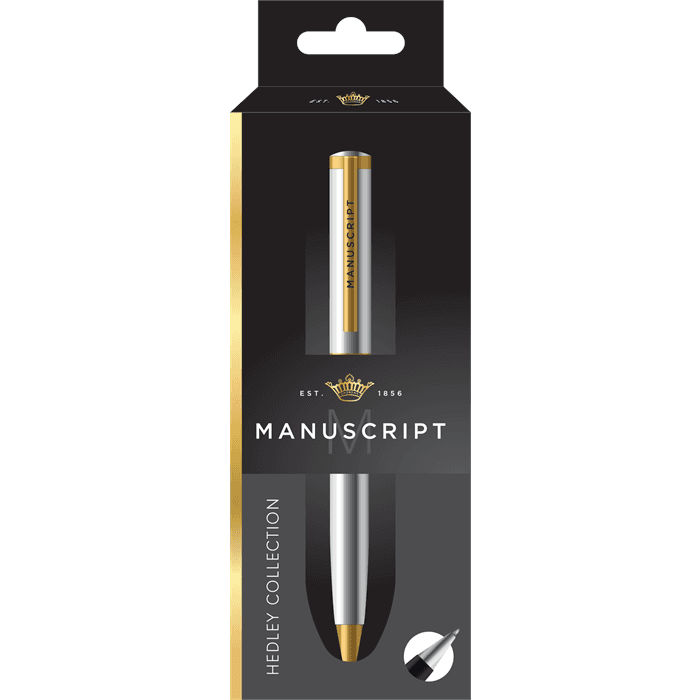
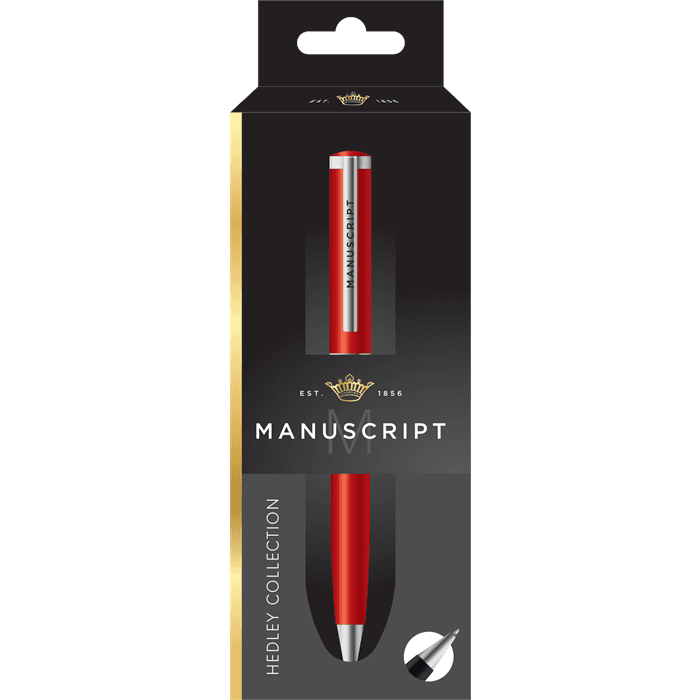
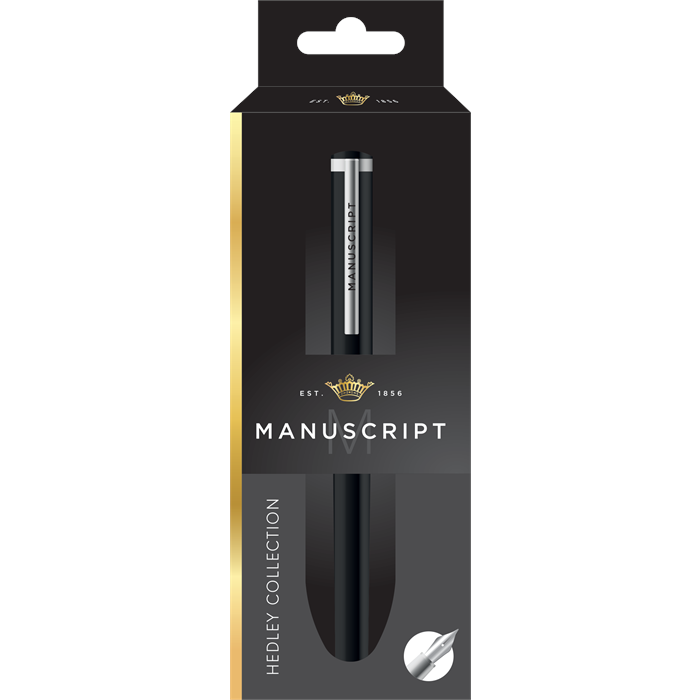
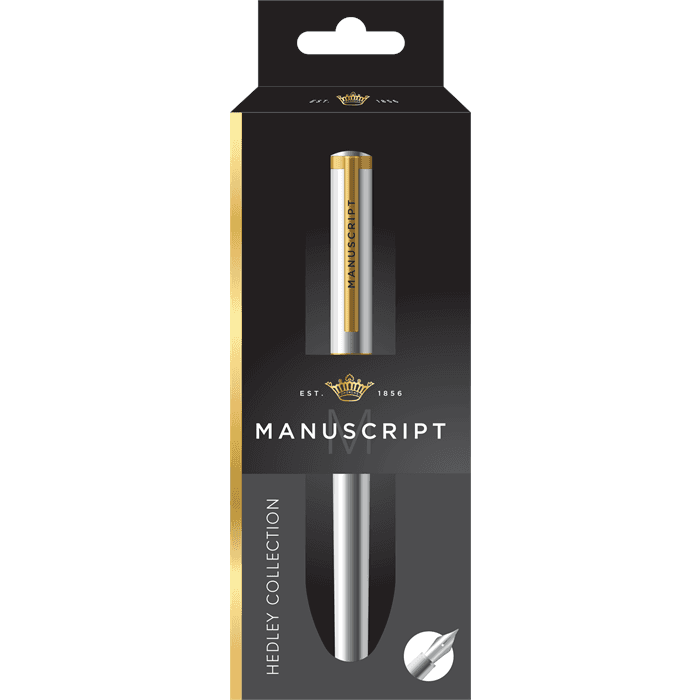
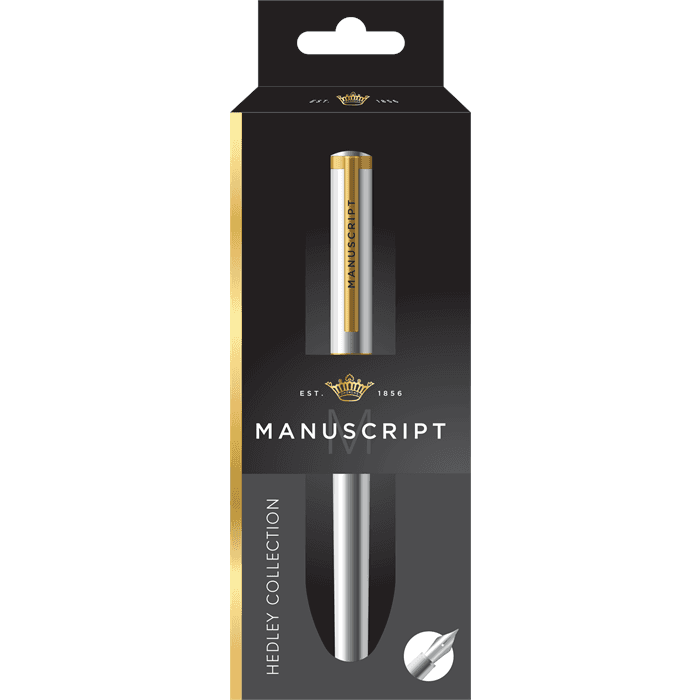
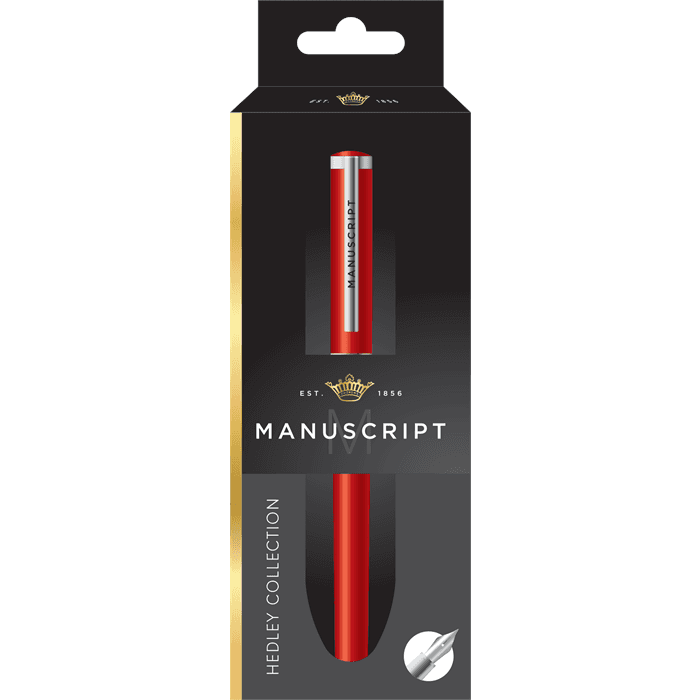
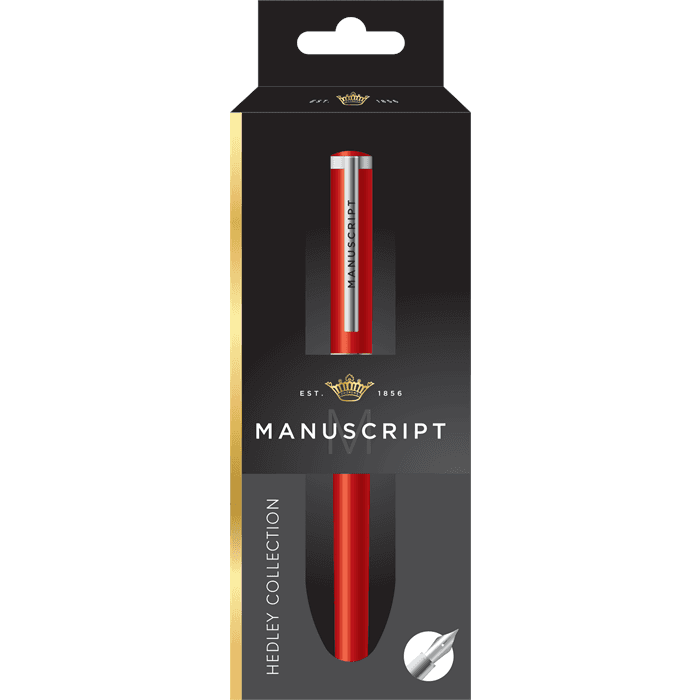
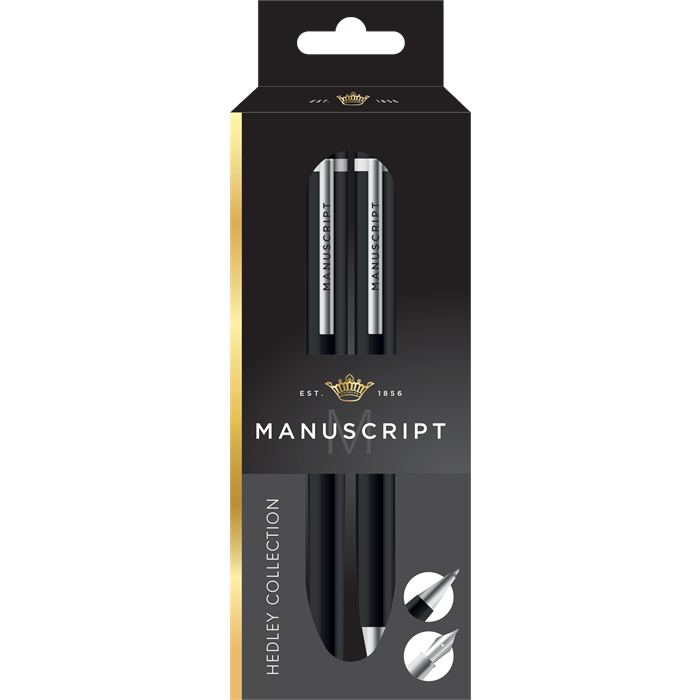
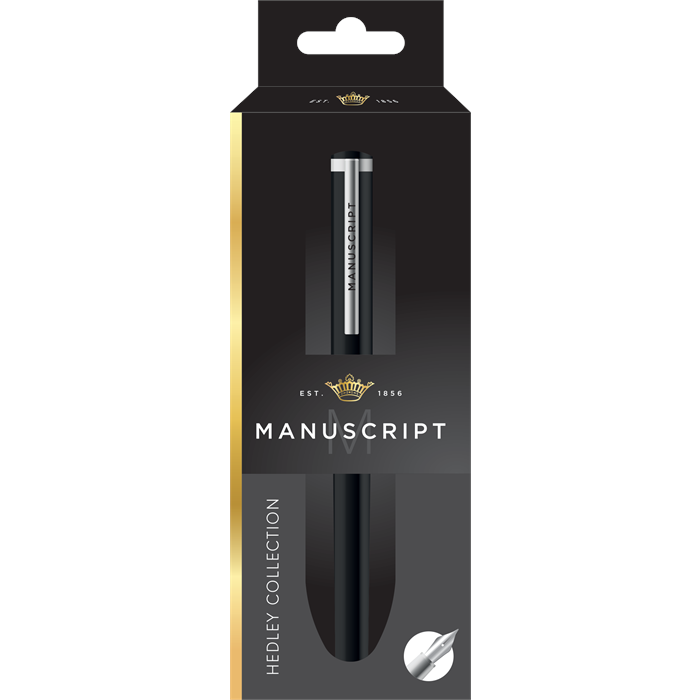
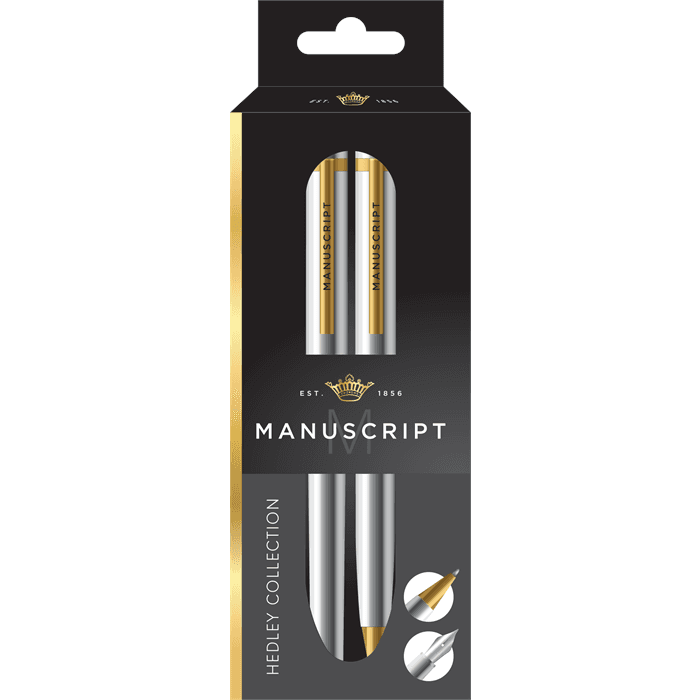
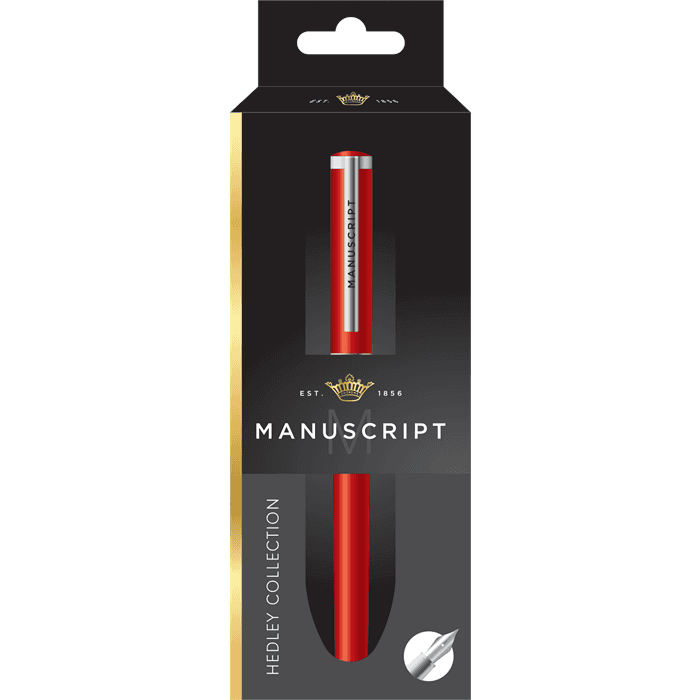
Pen Then you need that broad-edge pen. You can start by using a Manuscript calligraphy felt tip pen, or a Manuscript calligraphy fountain pen. Both of these will help you understand the shape of the letters and, as there is no bottle of ink involved when you are writing, which may get spilled, it is easy to practice writing letters with these pens.
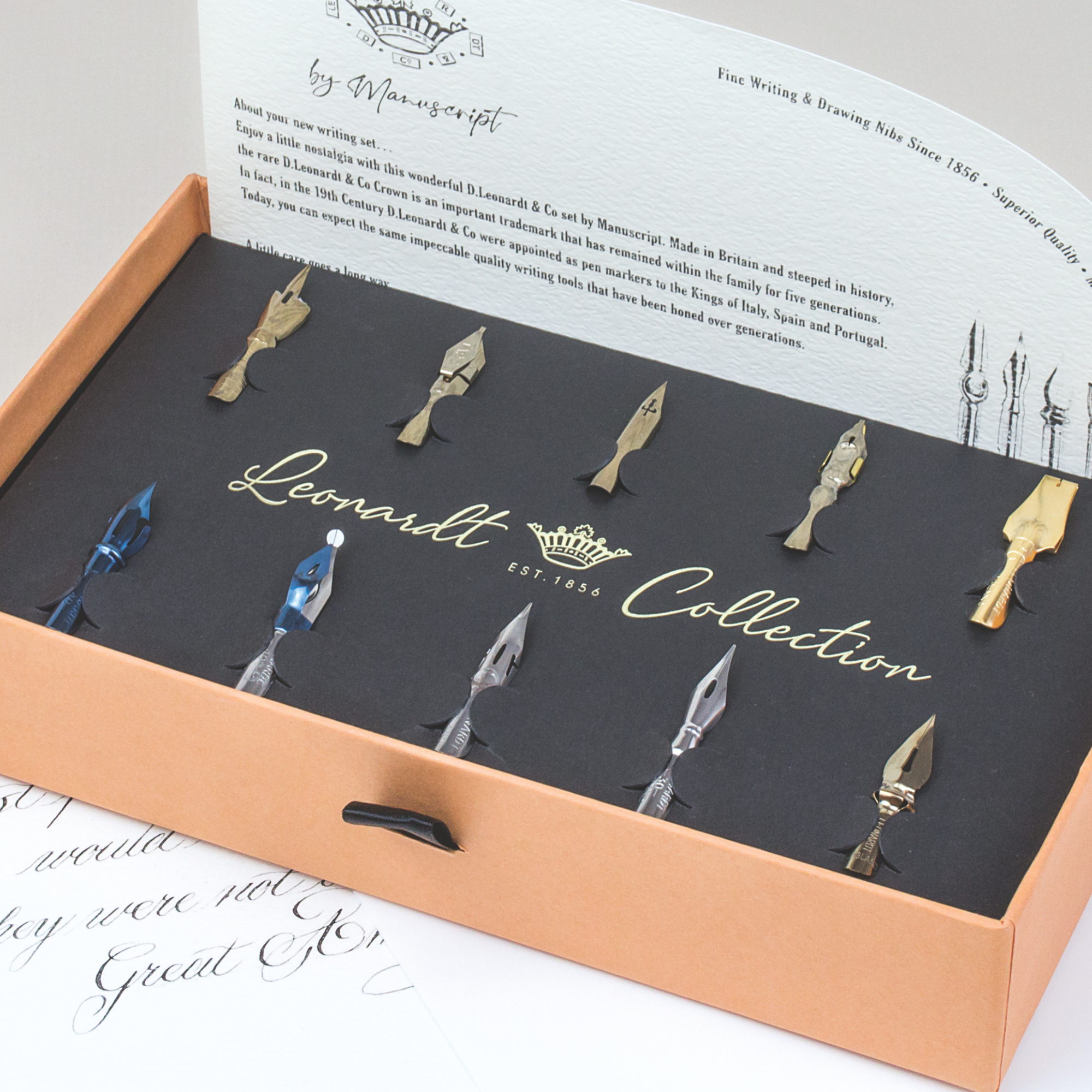
However, you will realise quite soon that your letters are not the same as you see in good calligraphy books and you will need to get a Manuscript calligraphy dip pen; these pens will give you the best letter-forms.
Calligraphy letters look good to the eye because there is that contrast between thick strokes and thin strokes. The thin strokes should be spine-tinglingly thin, and you will not get these with the thick edge of a felt tip pen.
Ink Then, with a calligraphy dip pen you will need ink or special calligraphy gouache.
Pencil and straight edge As well as this it is a good idea to get together other pieces of equipment before you start to write, A sharp pencil with a hard lead (2h–4h) (which means it will stay sharp for longer and also draw the narrowest of lines) and a long ruler, straight-edge, or T-square will mean that you can draw fine horizontal guidelines so that your letters are the same size.
Sloping board It is best, if you can, to also arrange some sort of sloping board. This may be a sophisticated large board with a slope which can be adjusted, or a piece of plywood which you prop up on a table so that the top edge rests on bricks or tins of baked beans, or the back of a large tray which rest in your lap and leans on the table edge.

|
Set up a calligraphy board so that it is at an angle of about 45°. Make sure that your chair and the board (or table if it is resting on a table) is at a comfortable height for you; ideally your feet should be flat on the floor.
|
If you can pad the surface with flattened out newspaper covered with a sheet of white paper, so much the better, as that will give you a comfortable surface on which to write.
Fold another long piece of paper in half and attach it to your board about 3 cm (1 in) below where it is most comfortable to write as a guard sheet. Your writing paper slides behind this, and the tension in the guard sheet holds the writing paper securely so that it can go up and down and to the right and left so that your hand stays in the same place for writing. If you stick your writing paper to the board or hold it steady with clips, your hand and sometimes your arm, has to move up and down, and this means that it is often not in the best place for making good letters.

A board set up for left-handers |

A board set up for right-handers |
| Set up the board on which you are to write with a pad of paper, so that the writing surface isn't hard and so cause you and your pen problems. Arrange it so that you have a guard sheet stretched across your board which is about an inch or 2.5 cm below where you write most comfortably. Your writing paper slides beneath this, and the tension as the guard sheet is stretched very slightly across your board keeps your paper securely. This means that you don't need to pin or attach your paper to the board. Your hand, then, stays at about the same comfortable writing position while your writing paper goes up and down and to the left or right. |
A sloping board may sound a bit of an extravagance, but it does mean that you sit with your back straight, which you cannot if you have to bend over to write on a flat surface.
When you are using a Manuscript calligraphy dip pen with ink, it also means that you control the ink at a sloping board, rather than it falling out of the pen when writing flat.
Starting out First of all check that the pen and reservoir are set up correctly. If you have a Manuscript calligraphy dip pen this will already be the case. However, when you finish a writing session and dismantle the pen to wash it, you will need to reassemble it again.

|
Make sure your pen is set up correctly with the reservoir about 2 mm or 1⁄10 inch away from the pen nib tip. |
Check that the rounded tip of the reservoir is about 2 mm from the tip of the nib, and that it is actually touching the pen nib. If it is not touching then it cannot feed the ink into the pen tip and the pen will not write properly. If it is too far down the pen nib, again it cannot feed the ink effectively and the same thing will happen. However, if it is too close to the pen tip, then you will be writing with the reservoir and not the pen nib and your letters will look clumsy. It may sound a bit of a palaver setting up a nib, but very soon it will become so automatic that you will hardly think it is a problem at all.
|

Feeding the ink into the pen from the underneath or side of the nib using an old paint brush
|
Although it is called a dip pen, it is best not to actually dip, otherwise you will often get a blob of ink when you write your first letter.
Get a really cheap old paintbrush, and dip this in the ink. Now stroke it on the side of the pen with its reservoir attached; the ink will collect between the nib and the reservoir.
|
We are not used now to writing with pens and wet ink; most of the writing implements we use - fibre tips, ball point pens, felt tip pens etc – write as soon as they touch the paper. Fountain pen and dip pens need a bit of coaxing.
Look first at what you want to write, look at your paper to see where the lines are and where you will start, then use the brush to fill your pen.
If you fill your pen before you do all of this, then the ink will dry on the nib tip and the pen will not work.
Start your pen by using the very tip and going side to side to make the thinnest of strokes on a piece of scrap paper. If you try to make a thick stroke first then the pen probably will not write.
You will find that your pen works best if you slightly change your usual pen hold. Rather than have your pen resting in the v-shape between your thumb joint and first finger joint, move it up so that it balances just about the knuckle of your index finger. This may feel quite strange at first, but check this out for yourself. At a sloping board, when your pen rests in the v-shape it is sloping downhill and you may have problems with ink flow. When the pen rests just above that knuckle, the pen is horizontal, and the ink is controlled by you, the scribe, writing.
|

|

|
| Pen hold for a left-hander |
Pen hold for a right-hander |
Problems with ink flow and looking after your dip pen If your pen is really playing up, then take the nib out of the holder, remove the reservoir and, importantly, put the plug in the sink, and then rinse the nib and reservoir in warm water. (The reason for the plug is that reservoirs seem to have an inbuilt inquisitive nature and go down the plug hole quicker than you can imagine!) You can use an old toothbrush to scrub both of them clean if you wish. Dry on a paper kitchen towel and replace in the pen.
Ink does become dried between the nib tip and reservoir and this may help the ink flow.
At the end of each writing session do wash out your nib and reservoir in this way. It seems a fiddle, but it is much less trouble than trying to scrape off dried-on ink when you come to start writing again.
For left-handers If you are left-handed all is not lost! In fact some of the best calligraphers in the world are left-handed.
It is probably easiest if you use Manuscript left-oblique nibs as these will help you make the best letter-shapes. You may also choose to set up your board in a slightly different way.
Gripping your pen correctly is specially important for left-handers, and if you are an ‘over-the-top’ left-hander, this may be your chance to start to hold your pen in a way which is much more comfortable.
Some left-handed calligraphers use straight cut nibs, and twist their wrist round to write, but this may not be too comfortable.
|

|
 |
You can use your new-found calligraphy skills to make attractive bookmarks and greetings cards using just one letter. |
Calligraphy is just about the most satisfying and enjoyable of every art and craft. It does take practice to make good letter-forms, and there will be times when you may get a bit fed up that the pen does not do what you want it to, but do persevere.
You will have the chance to create beautiful pieces of art which you can hang on the wall of your home, to create individual and personal cards and gifts for your friends – so much more rewarding for you, the maker, and also the recipient, when it is clear how much effort has been put in rather than simply buying a kit with some manufactured adhesive stickers – and you will also be able to interpret words, sayings and favourite poems using colour and interesting layouts which reveal their hidden meaning.
 |
| And the time may come when you can make colourful and beautiful artworks to hang on your wall, interpreting your favourite quotations, poems and extracts of prose. |
Back to top
© 2008 texts and illustrations, Patricia Lovett Illustrations and letter-forms taken from: Patricia Lovett, Teach Yourself Calligraphy, Hodder and Stoughton, 2003, London. Patricia Lovett, The British Library Companion to Calligraphy, Illumination and Heraldry, The British Library, 2000, London. Michelle Brown and Patricia Lovett, The Historical Source Book for Scribes, The British Library, 1998, London.
|