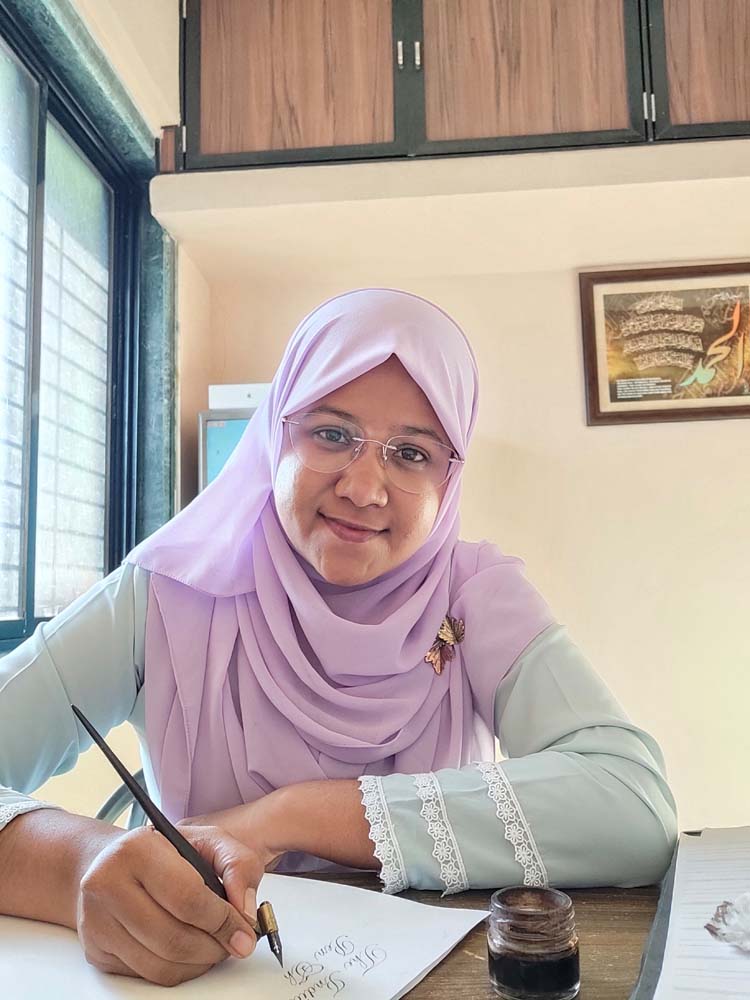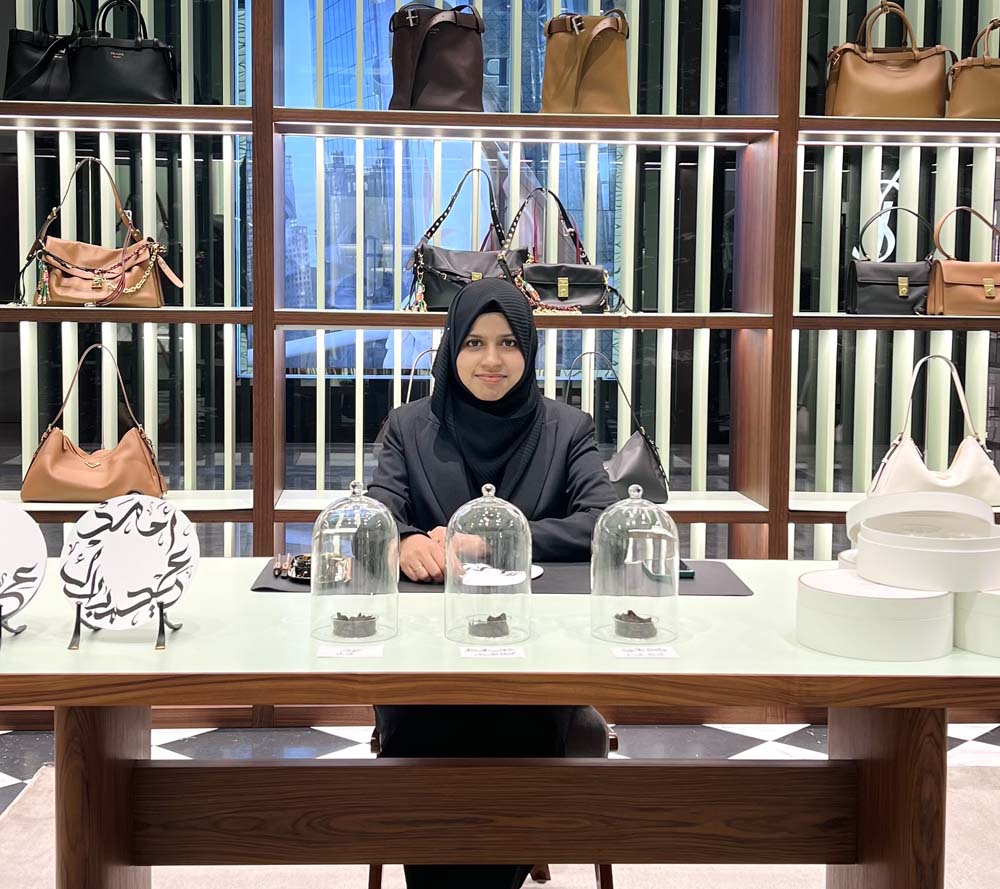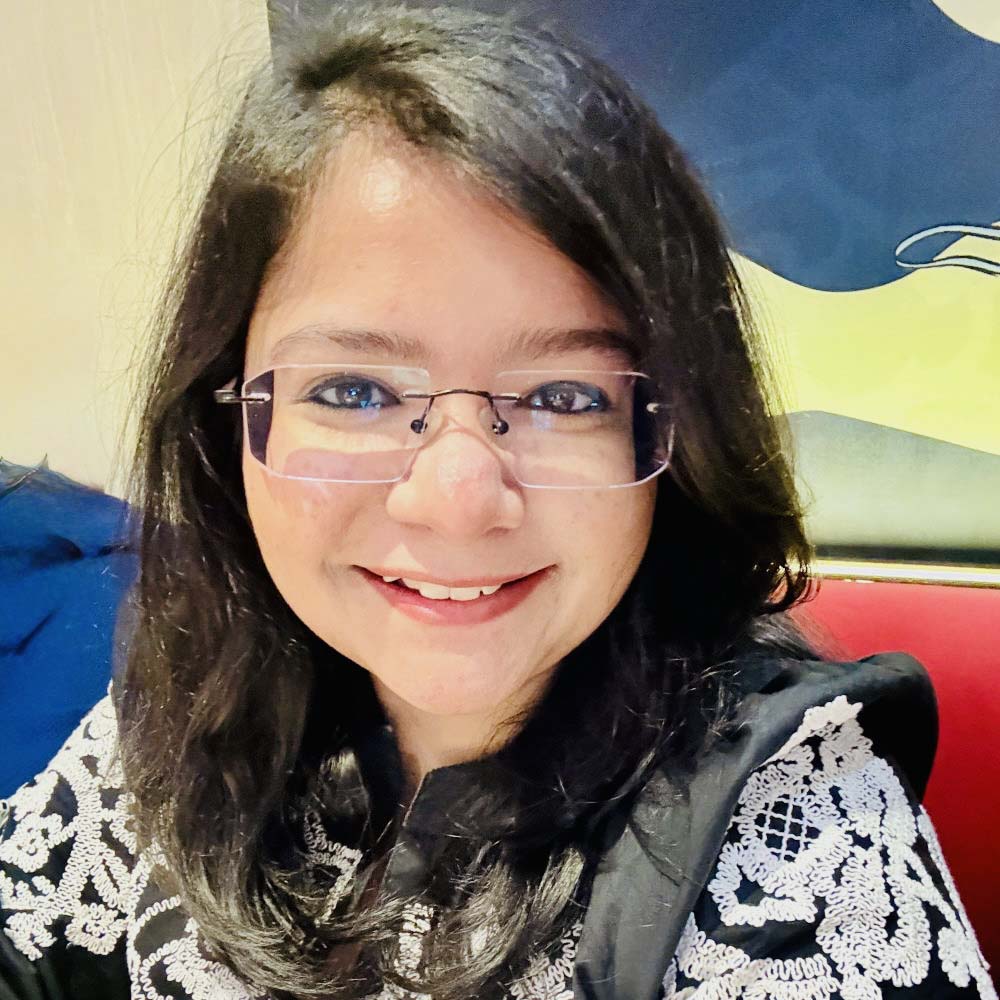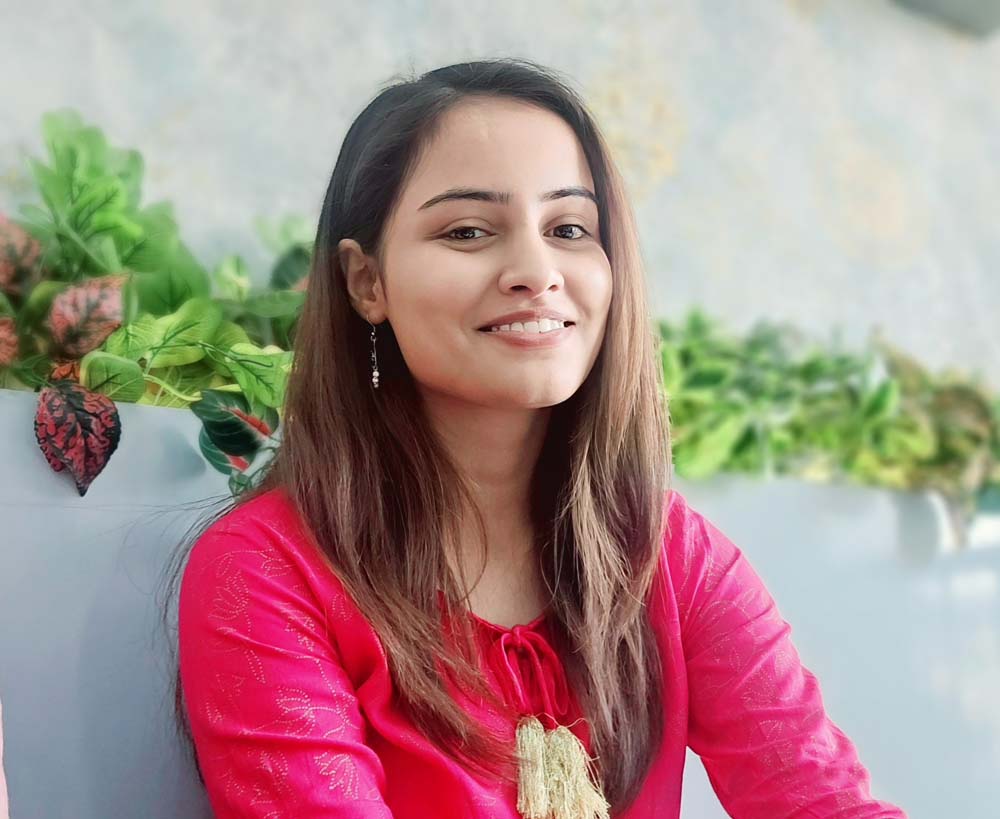
Meet the latest Artist of the Month... Ness! Read on to find out more...
What is your background and when did your passion for Calligraphy and learning begin?
My passion for calligraphy began shortly after I finished university. While applying for jobs, I found myself with a lot of free time, and that's when I first picked up lettering - at the time, I didn't even know there was a difference between lettering and calligraphy. As I practiced, I gradually taught myself, improved along the way, and started investing in the right tools, which made a huge difference in my progress. Soon after, I discovered dip pen copperplate calligraphy, and I instantly knew it was something I had to learn. I approached it the same way - slowly, patiently, and with curiosity. I'm naturally curious and love experimenting, so over time I explored other scripts as well, including Italic and Gothic styles. That curiosity and willlingness to try new things is really how my journey into calligraphy began, and continues to shape my work today.
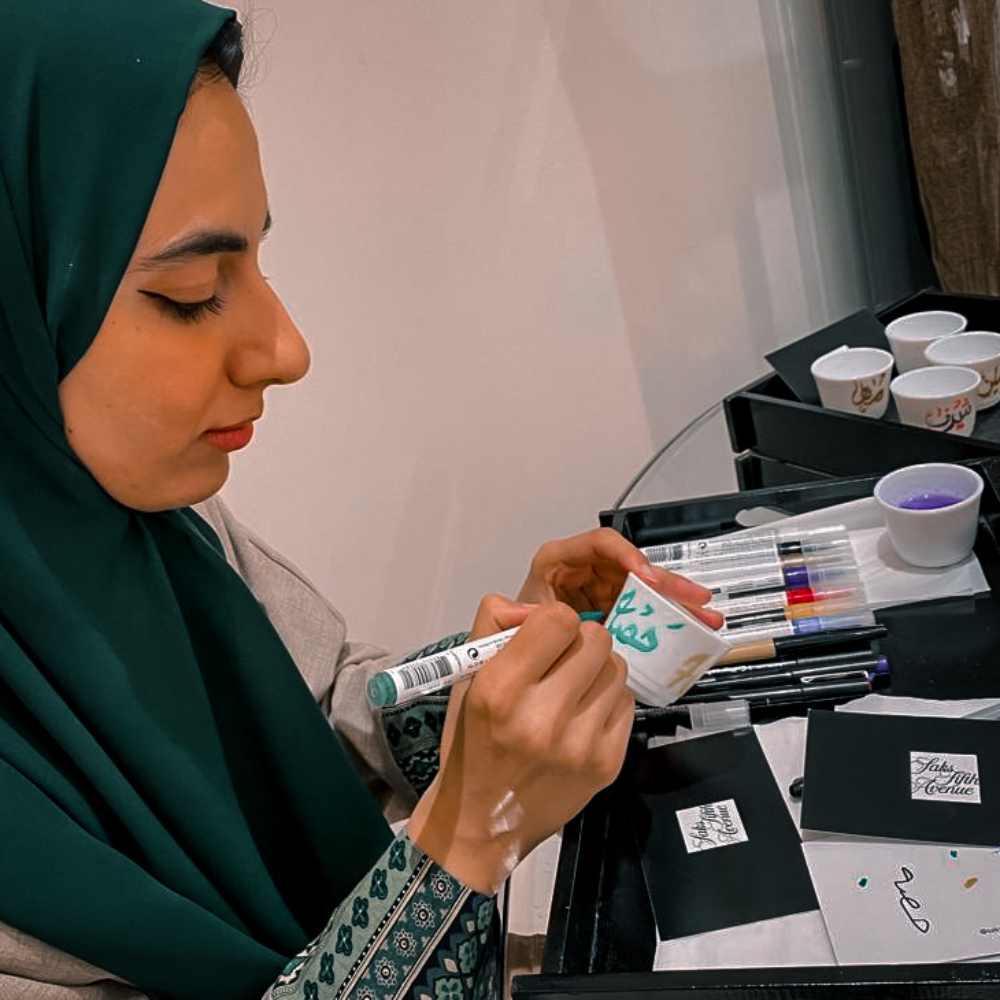
Who / Where do you take your inspiration from?
My inspiration comes from many places, largely because I'm a naturally curious person who enjoys exploring and trying new things. I often find inspiration in nature and real-life experiences. Everyday moments, emotions, and events happening around me quietly influence my work.
I'm also inspired by observing new techniques and creative approaches shared online. Sometimes it's a small detail, a movement, or a method that sparks an idea. I enjoy experimenting with these techniques and gradually adding my own touch, allowing them to evolve into something personal. This constant curiosity and openness to my surroundings play a big role in shaping my creative process.
What in your opinion is the hardest and the most rewarding parts of working in a creative industry?
The creative industry is undeniably challenging, yet it comes with its own quiet rewards. There is something exhilarating about creating an idea from scratch, watching nothing slowly turn into something meaningful. There are elements in my work that only I can bring to life, details that cannot be duplicated, and that uniqueness is what sets me apart. When the work finally reaches the right audience, the connection feels surreal, almost unreal, as if the effort has found its rightful home. Yet, there are days when I look at my own work and feel disconnected from it, even though it was made by the same hands. Creativity is inconsistent by nature, but consistency is still required. Showing up, creating, and trusting the process, whether the audience applauds or not that's the real hard work.
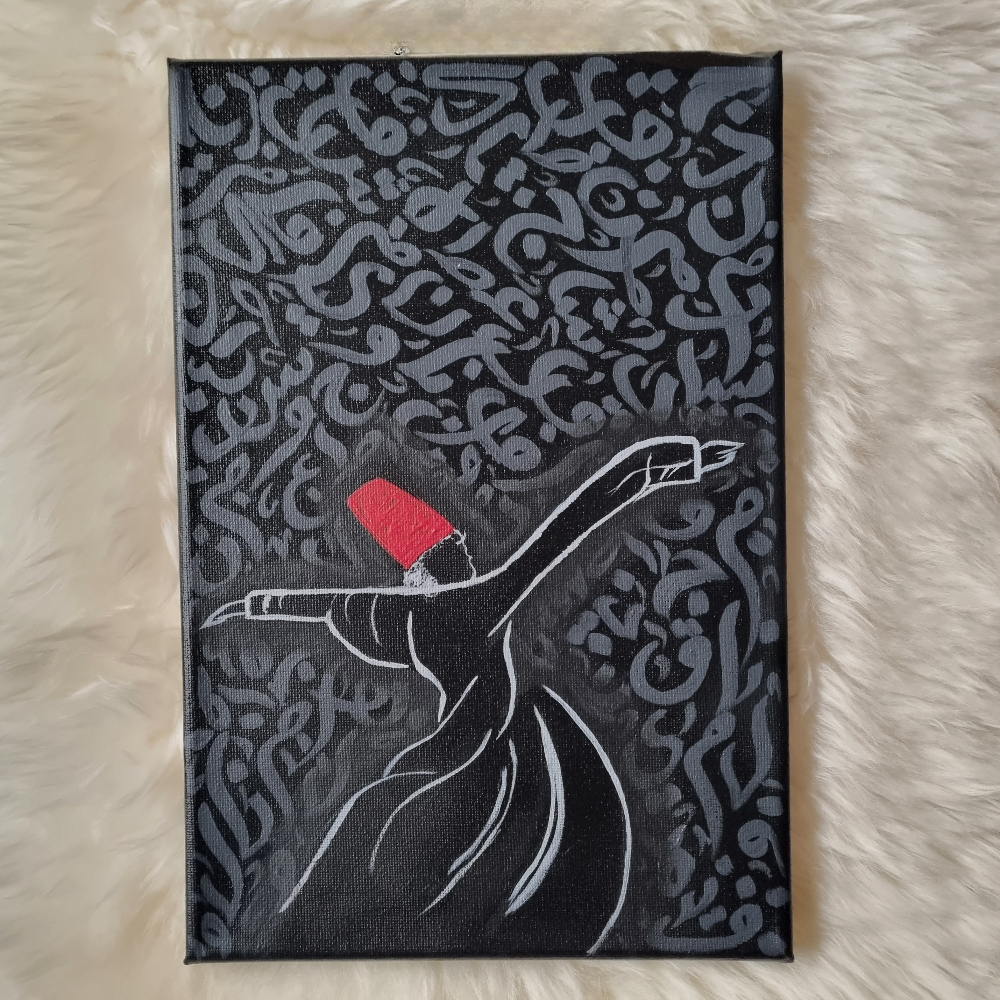
Do you have a favourite style?
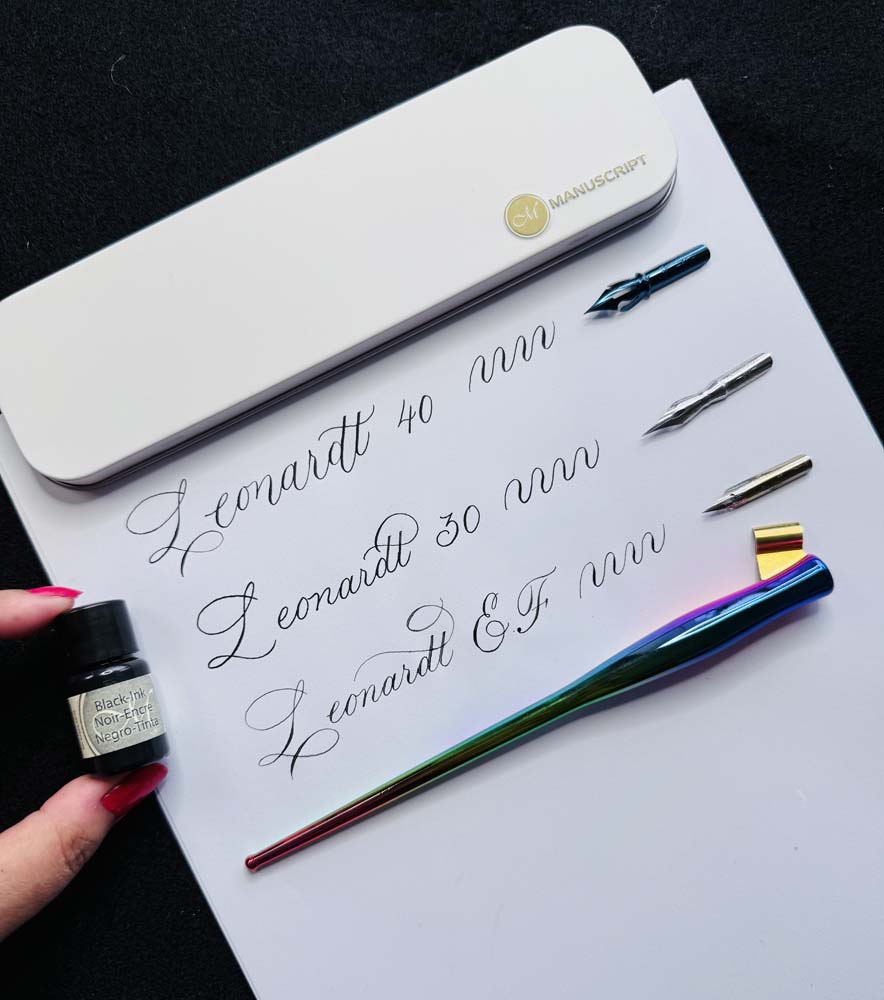
I started my journey with basic lettering and brush pens, enjoying the freedom they gave me. But the moment I came across dip-pen Copperplate calligraphy on social media, something in me wantedto try it right away. It was refined and so unapologetically elegant, so captivating that I knew I couldn't ignore it. I dove in, experimenting with different nibs, chasing that perfect balance between delicacy and strength. That's when I discovered LEFP, and it was fanatic.The way it produces the most delicate, whisper-thin hairlines and then effortlessly transitions into bold, confident shades is pure magic. Every time I use it, it feels powerful and deeply satisfying. With time, practice, and patience, my control improved, my style matured, and my admiration for this nib only grew stronger. To this day, it remains my favorite-because it lets me express precision and elegance all at once.
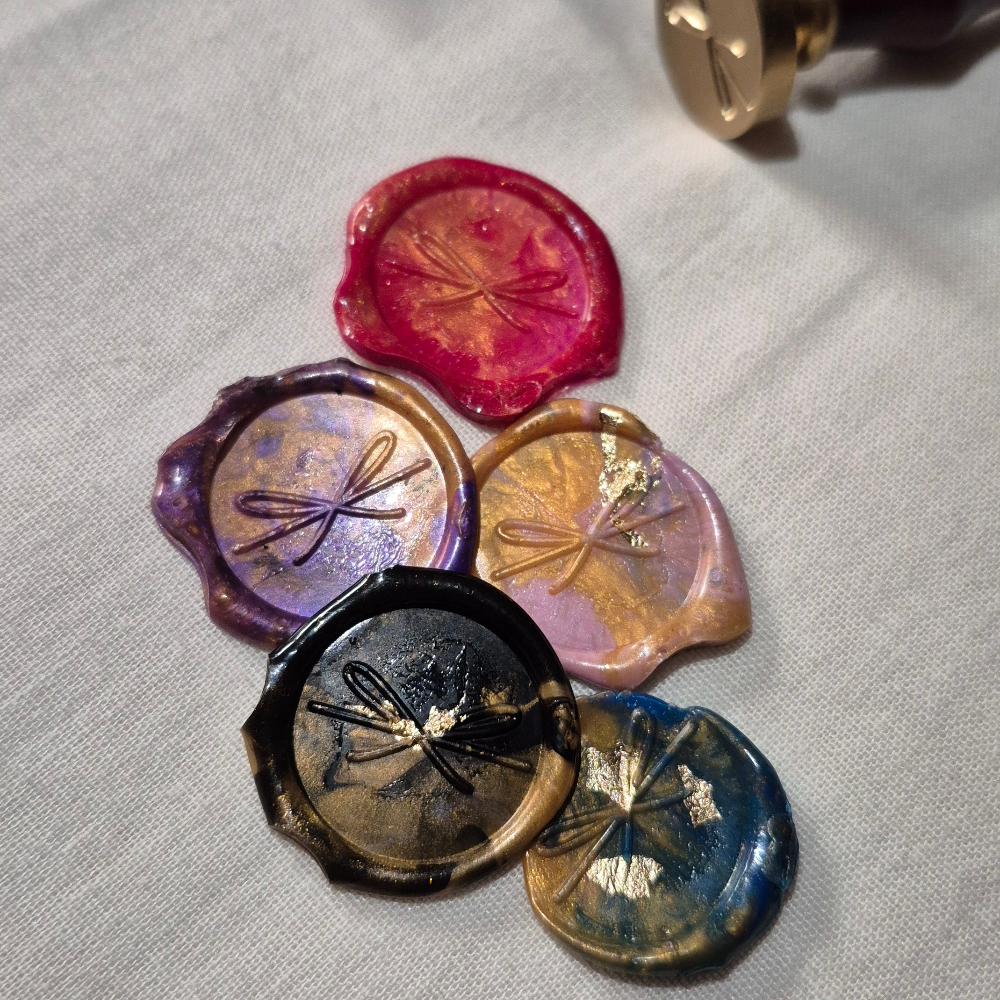
What are the most exciting projects you have worked on and what are you working on at the moment?
For me, every project is exciting because no two are ever the same. Each one demands a different skill set, pushing me to grow and expand in directions I didn't even know existed. That constant evolution is what keeps the craft alive for me.
One of the most memorable highlights of my journey was creating name cards for the royal family. It was a project that came in at very short notice and required absolute precision, consistency, and focus. Even today, I look back at that experience with pride, it was challenging, intense, and deeply rewarding, and I'm grateful it turned out so beautifully. At the moment, I'm working on a variety of digital projects. Exploring digital art has been incredibly exciting, and I genuinely enjoy translating my calligraphy skills into the digital space while continuing to grow creatively in both traditional and modern formats.
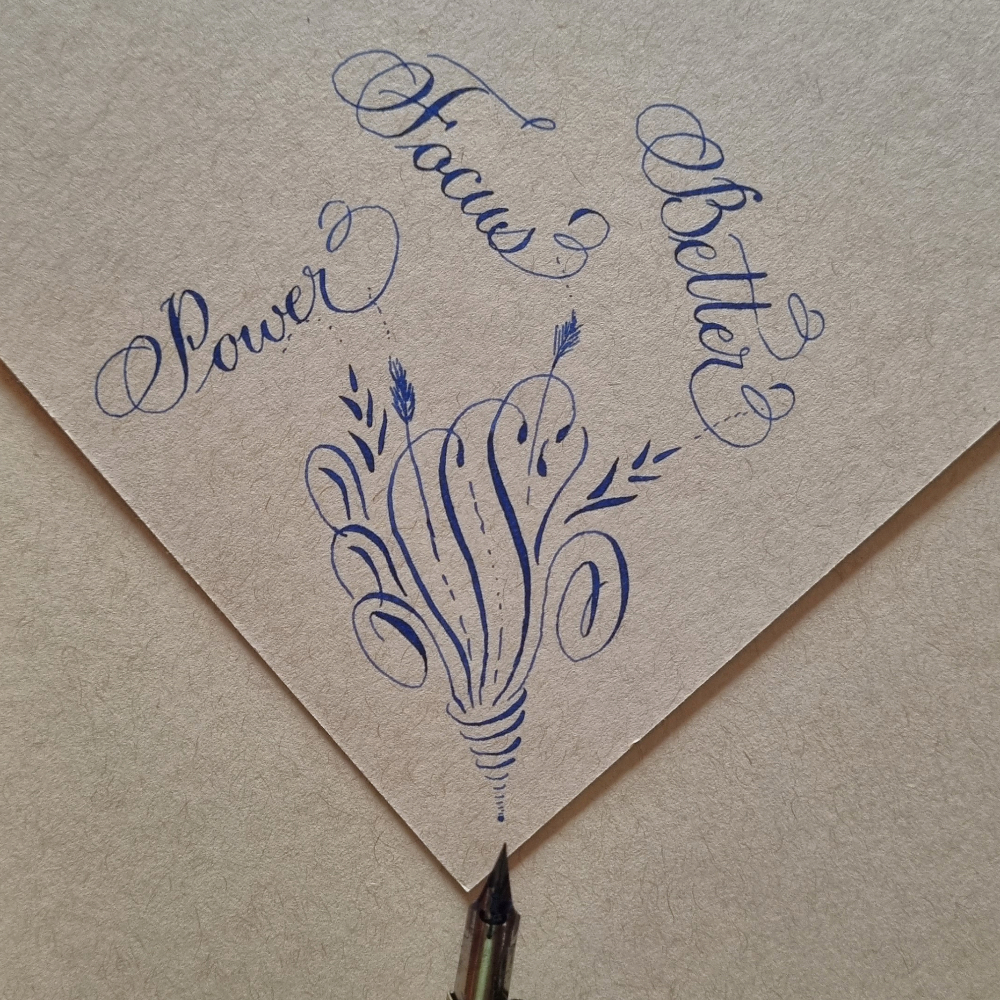
What is your best calligraphy tip, trick, or tutorial?
My best calligraphy tip? Take the first step. That's honestly the hardest part. Once you begin, everything else is just learning, evolving, and showing up again and again. Be patient with yourself and keep practicing, don't obsess over results. What truly matters is that you showed up and put pen to paper. My best trick is simple but powerful: go slow. Social media makes calligraphy look fast and effortless, but that's not the reality. The real secret ingredient is taking your time and working at your own pace. Slow strokes build control, confidence, and beauty. As for tutorials, my favorites are the foundational ones. I love breaking things down step by step-like assembling an oblique holder with the nib, or showing how to make ink for Arabic calligraphy. Those basics are where the magic starts, and once you master them, everything else flows naturally.
How does your work relate to your everyday life?
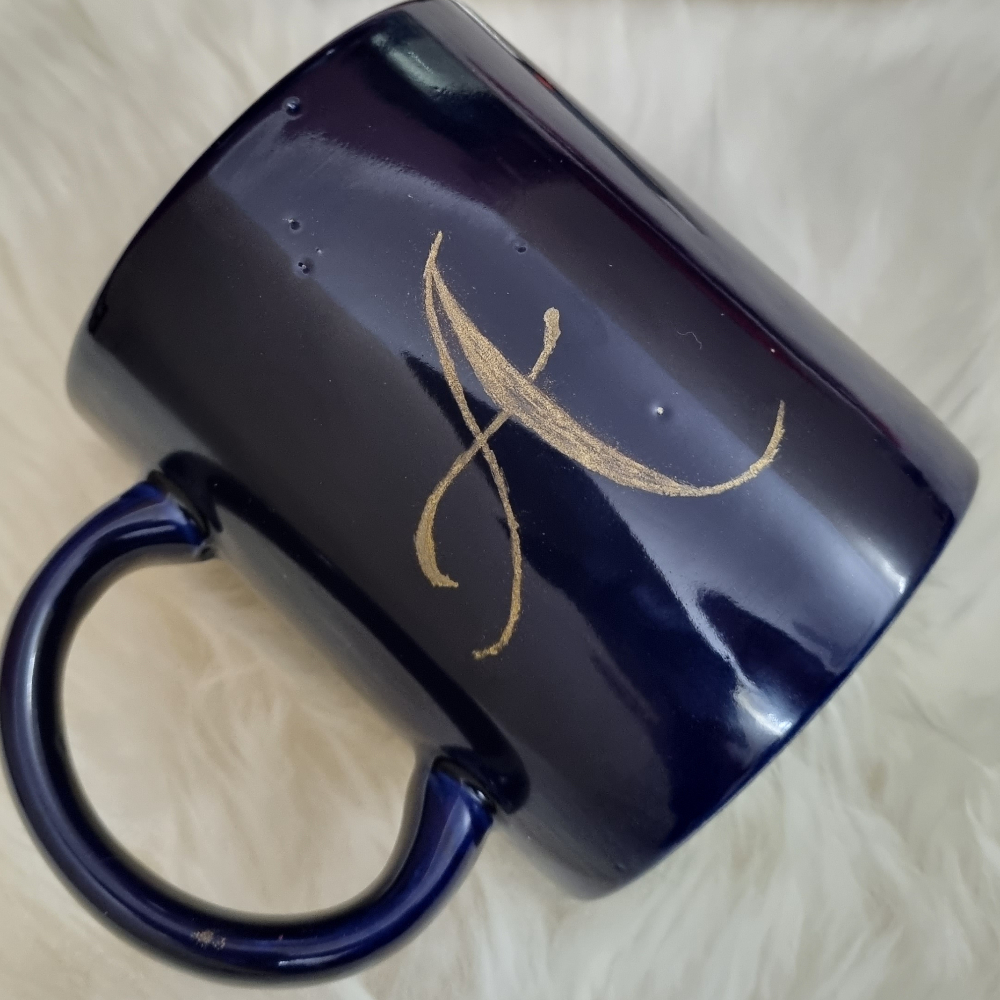
My work is deeply woven into my everyday life.Whether it's a quiet morning, a passing thought, or a feeling I can't quite explain, my art becomes a way to slow down and translate everyday experiences into something tangible and meaningful. Or something as simple as Journaling or simply planing be it for socials or life goals. Lettering and digital art are extensions of my routines, my emotions, and the words that stay with me. Creating is also how I stay present and grounded in my daily life. It allows me to reflect, reset, and give form to thoughts that might otherwise remain unspoken. In this way, my work becomes both a personal ritual and a quiet record of my everyday journey.
What are your favourite tools to use?
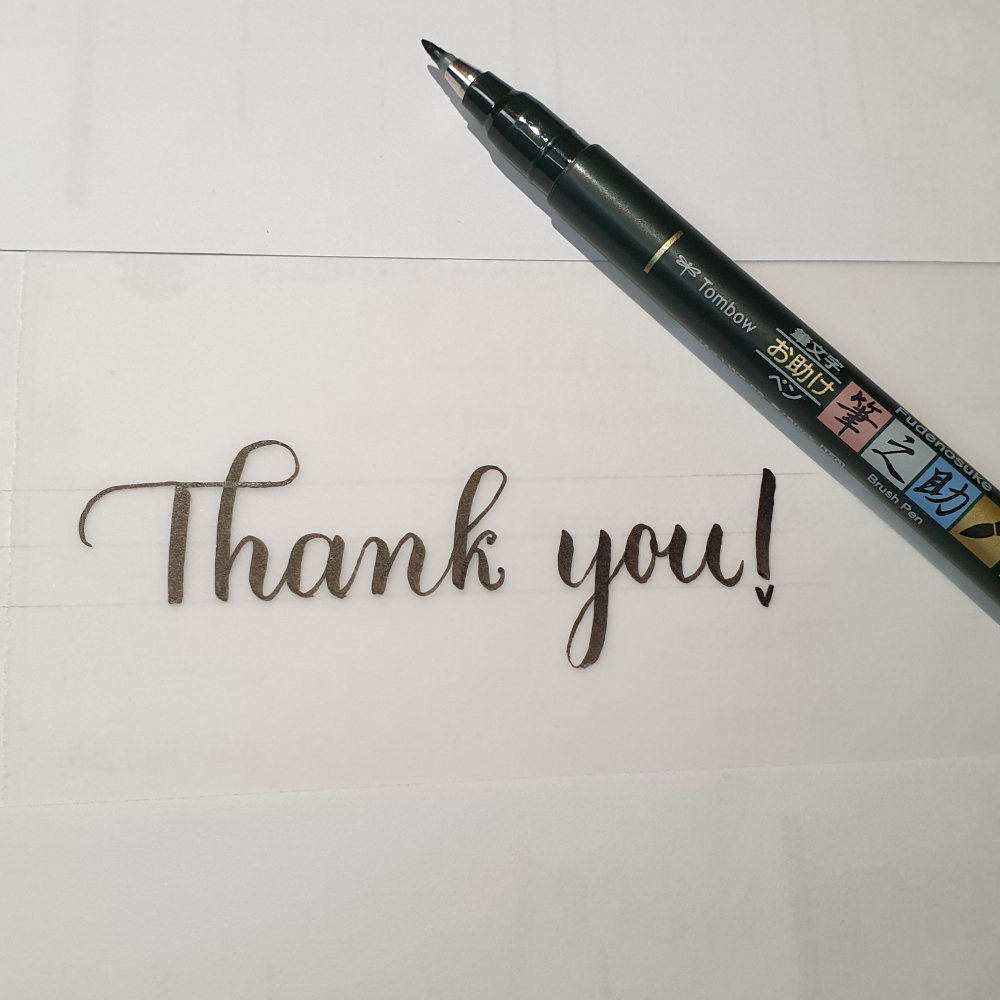
Hands down, my favorite tool to use is a nib, specifically the Leonardt EF nib. After experimenting with various nibs over time, this one truly won my heart. Its upstrokes are incredibly delicate and while the downstrokes deliver just the right amount of pressure too. The balance it creates allows me to play with contrast and rhythm effortlessly, giving each piece a refined yet expressive look that feels timeless and intentional. My second favorite tools are brush pens. Once you learn to understand their flexibility and movement, and truly befriend them, they become absolute charmers. Brush pens offer freedom and fluidity, allowing for expressive strokes and playful variations, making them perfect for both structured lettering and more organic, emotional pieces
What would your advice be to people new to the creative industry and any tips on how to get started?
To anyone new to the creative industry: Just start. Don't wait to feel ready, readiness is built after you begin. The early stages will feel slow, messy, and uncertain, but that's not failure, that's foundation. Stay patient and stay consistent, because consistency is what compounds into results. Practice even when no one is watching, especially when results aren't immediate. You will stumble, you will doubt yourself, but every attempt sharpens your skill. Growth happens when you choose the work again and again, even on the days it feels uncomfortable. If I had to sum it up in three words: Patience. Practice. Persistence. I want to take this one line which I say that : There is no right or wrong way to make art. There is only your way!
To see more of her beautiful work you can follow her Ness (@calligraafix) and remember to follow @manuscriptpenco on social media where we will be showcasing her work throughout the month!